Task study / 01
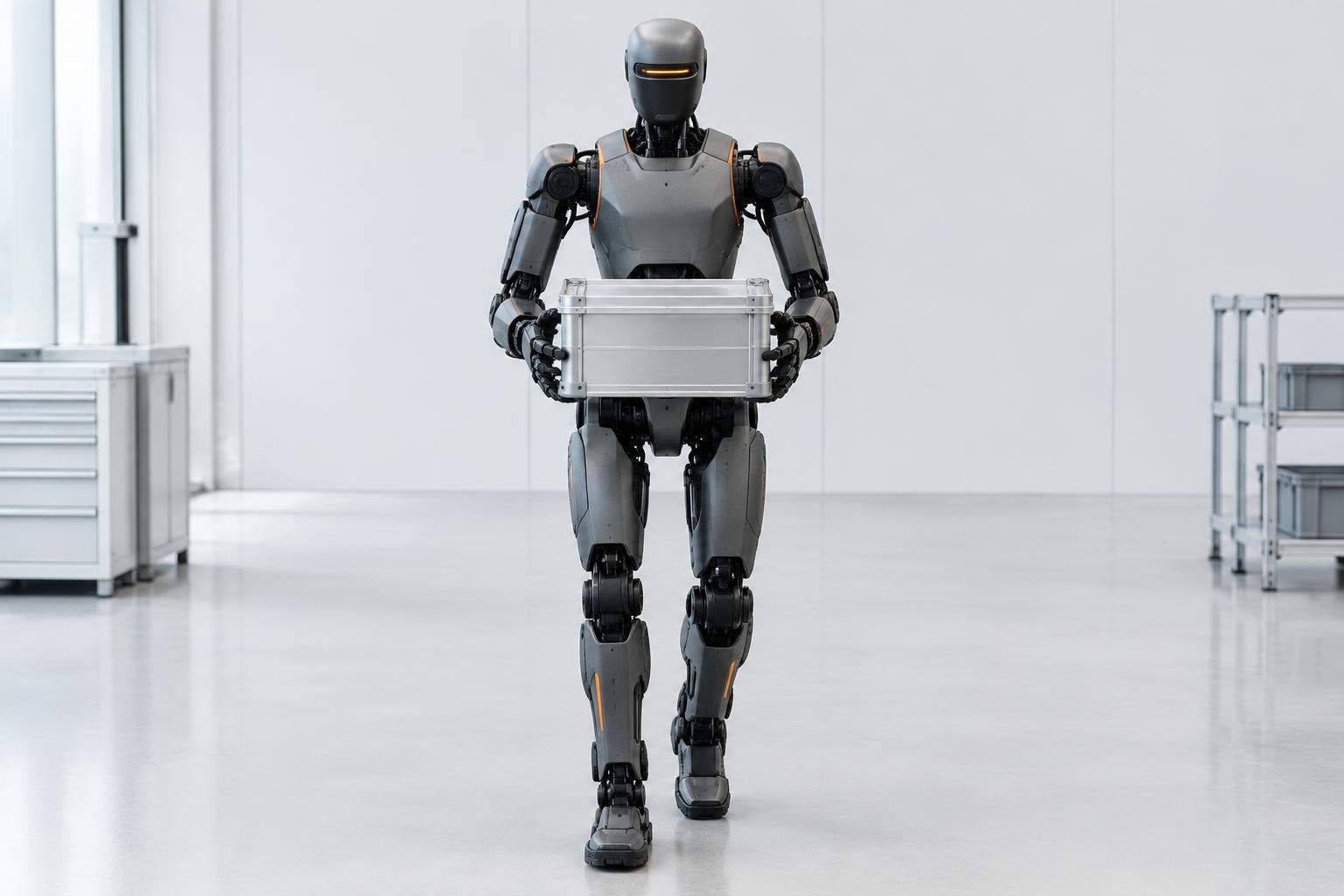
Manipulation in the real world
How carefully can a system recognize an object, plan a grip and adapt when conditions change?
A closer look at how a humanoid system senses a room, moves through it and shares space with people.
View the field review ↘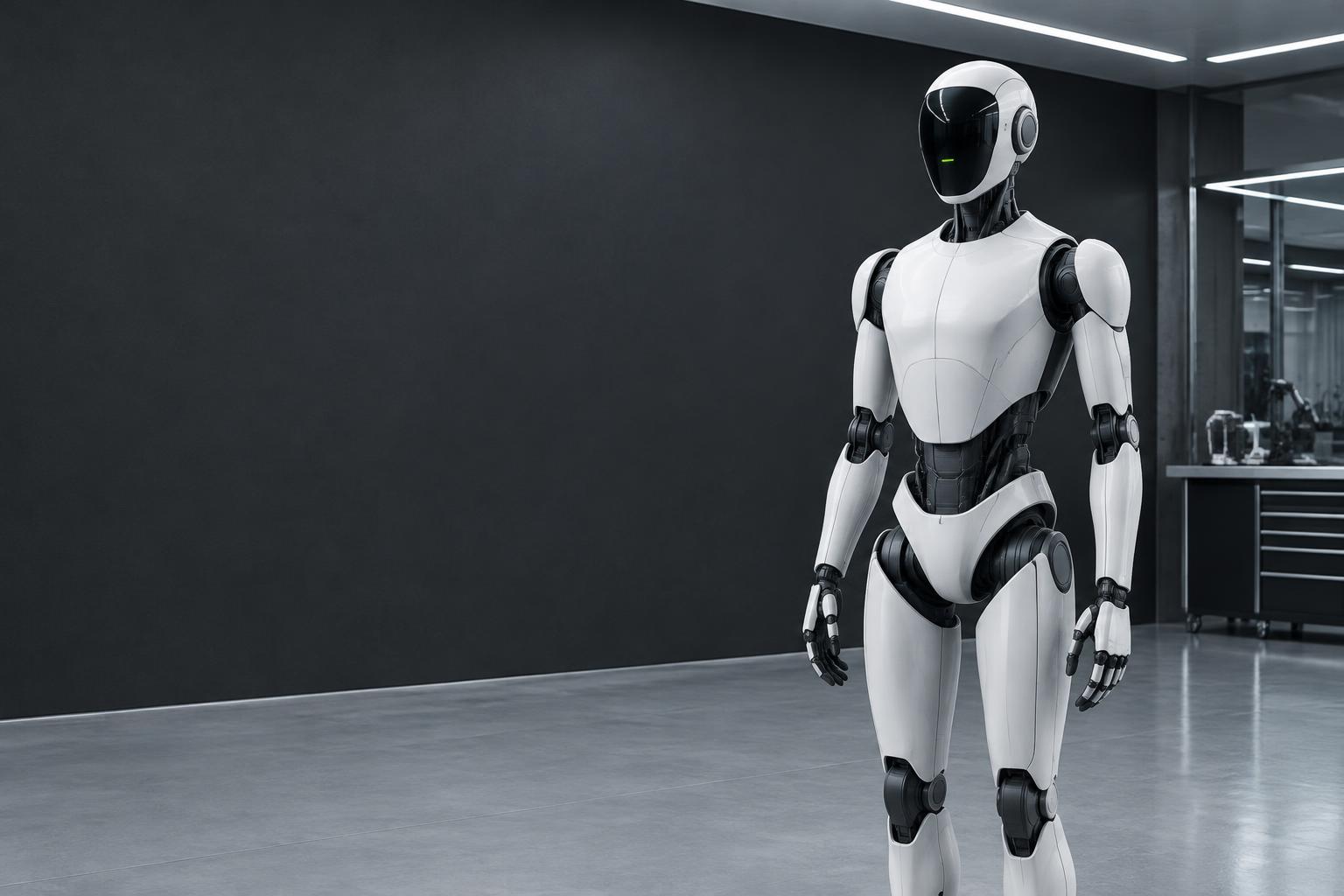
Performance matters, but so does the way people experience the system. These notes connect core robotics ideas with real settings.
How carefully can a system recognize an object, plan a grip and adapt when conditions change?
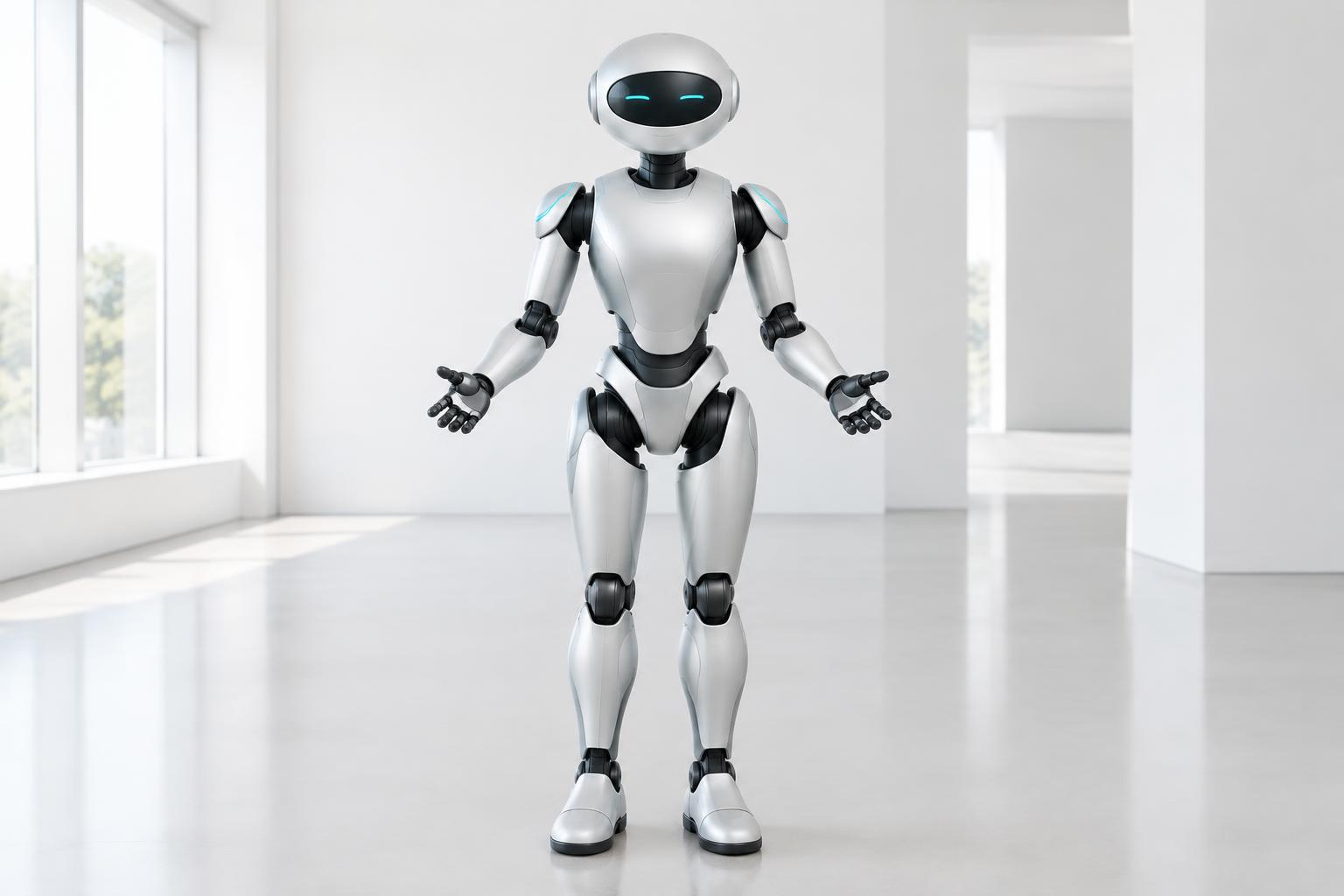
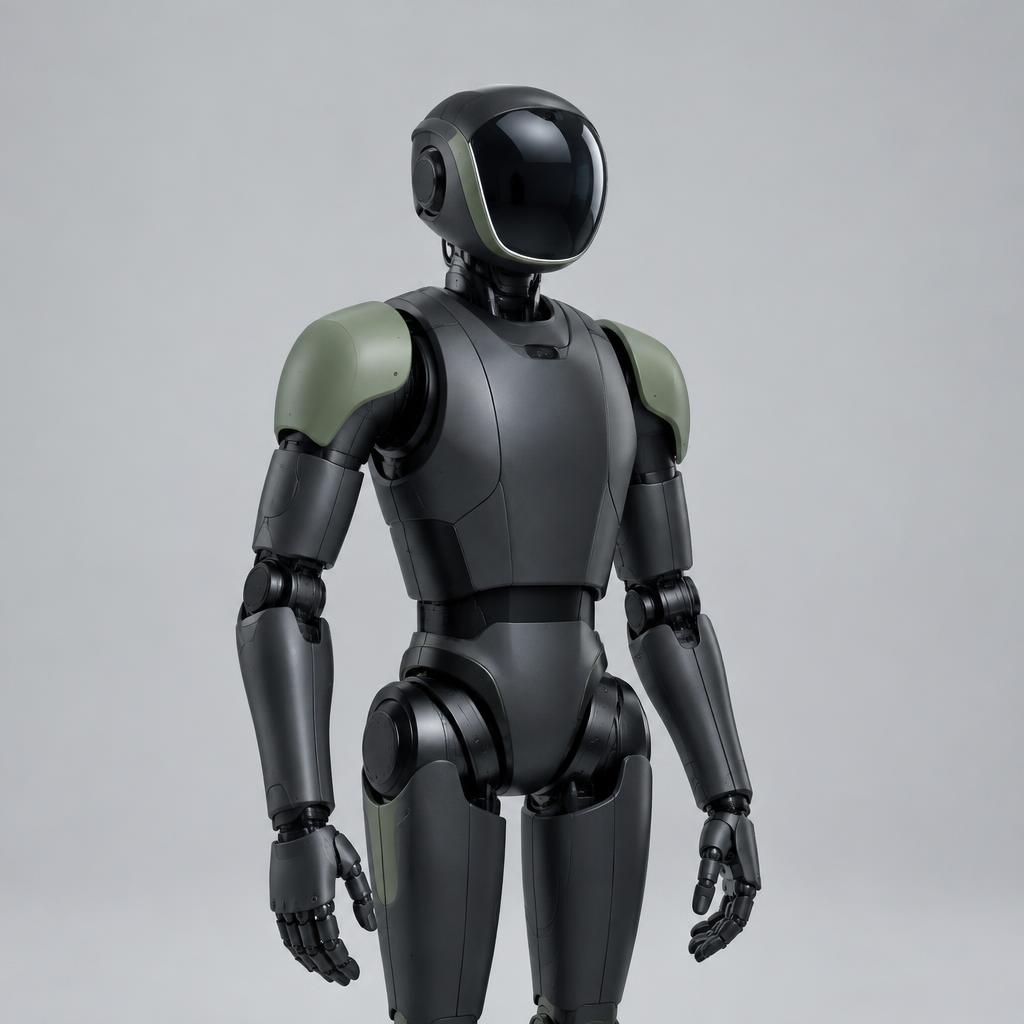
A qualitative framework for comparing a robot's core capabilities and the questions each layer should answer.
| System layer | Review lens | Question to ask | Human outcome |
|---|---|---|---|
| Perception | Room awareness | Can it distinguish objects, people and changing context? | Fewer surprises |
| Planning | Task clarity | Is the next action understandable before it happens? | More confidence |
| Manipulation | Careful handling | Can it adapt its grip to the object and setting? | Useful assistance |
| Interaction | Human control | Can someone pause, redirect or decline the task? | Agency stays visible |
Technology is strongest when its limits, choices and intent are clear to the people around it.
People should be able to understand what the system is trying to do.
Pause, override and handoff should be easy to find and use.
A capability matters when it holds up in varied environments.